How to Choose the Best Reflective Vest for Safety Needs?
When it comes to safety, a quality Reflective Vest is essential. Whether you're jogging, cycling, or working outdoors, visibility is crucial. A well-chosen vest can significantly reduce the risk of accidents in low-light situations.
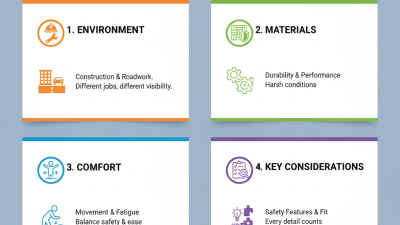
Selecting a Reflective Vest involves understanding your specific needs. Not every vest is created equal. Different activities require different features. For instance, runners may need lighter materials and added breathability. In contrast, construction workers might prioritize durability and extra pockets. It's crucial to evaluate these aspects carefully.
While brighter colors enhance visibility, the fit also matters. A vest that flops around can be distracting and uncomfortable. Ensuring a snug fit can improve focus on the task. It’s valuable to reflect on past experiences with vests. Did previous choices truly help? Did they meet your expectations? Evaluating these points will aid in making a better purchase decision.

Understanding the Importance of Reflective Vests for Safety
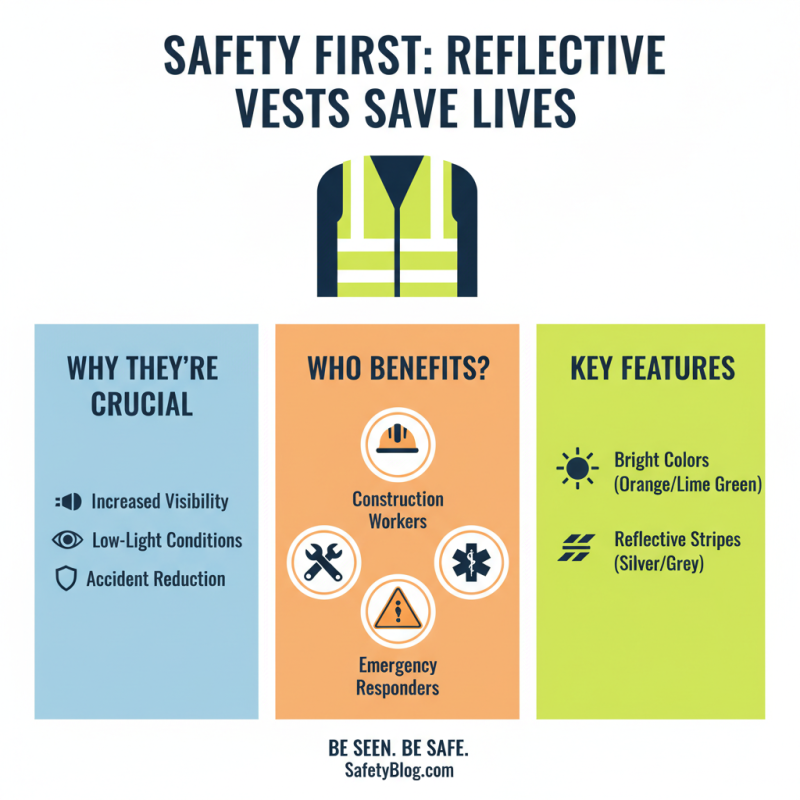
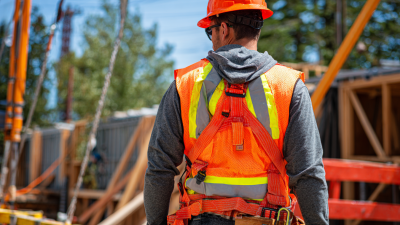
Reflective vests play a crucial role in enhancing visibility and safety, especially in low-light conditions. These vests are essential for workers in construction, roadwork, and emergency responders. Their bright colors and reflective strips make sure that individuals are seen from a distance, reducing the risk of accidents.
Choosing the right reflective vest requires understanding various factors. Look for vests that comply with safety standards. Quality materials ensure durability and comfort. Pay attention to the fit; a loose vest can be distracting. The more snug it is, the less likely it is to snag on objects.
Tips: Always test the vest in different lighting conditions. Carry spare vests for colleagues. Regularly inspect vests for wear and tear. A vest that doesn't fit well may not offer the protection needed. It's also important to note that not all vests are suitable for all environments. Reflective vests are not a one-size-fits-all solution. Choose wisely based on your specific safety needs.
Key Features to Look for in a Reflective Vest
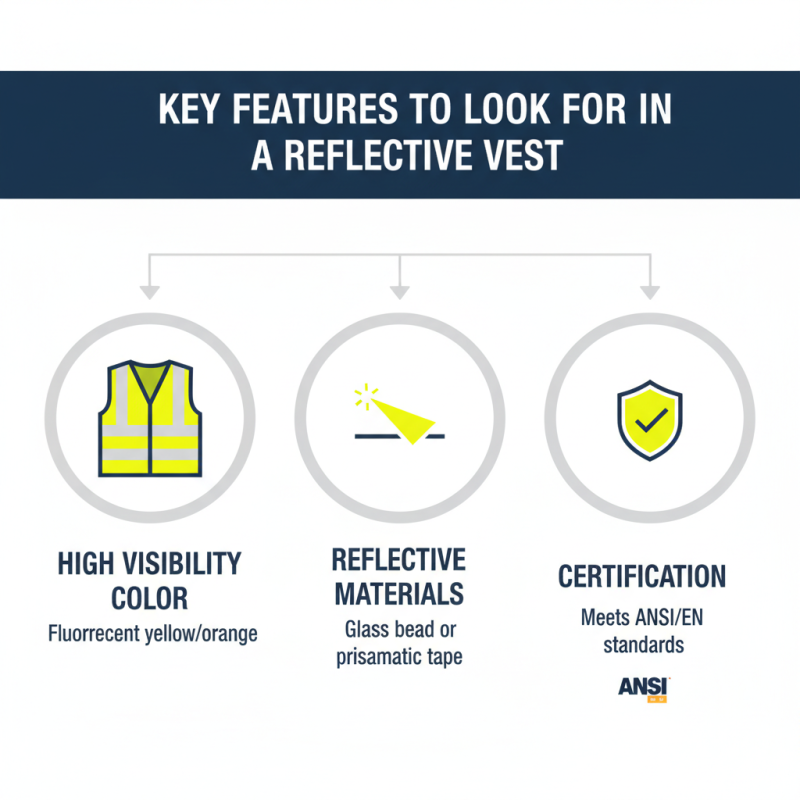
When selecting a reflective vest, several key features assure safety. The most crucial aspect is the visibility level. According to the American National Standards Institute (ANSI), vests should meet specific visibility requirements, typically involving bright colors and reflective strips. Look for materials that reflect light effectively, especially in low-light situations.
Fabric breathability is also essential, particularly for workers exposed to heat. A vest made of lightweight, breathable material can help maintain comfort. An industry report noted that discomfort leads to lower compliance rates, meaning workers will not wear their vests if they feel stifled.
Finally, consider the vest's adjustability. Adjustable straps ensure a secure fit for various body types. A poorly fitted vest can hinder visibility and compromise safety. Reports indicate that improperly fitted gear is a common reason for reduced effectiveness in safety apparel. Thus, thoughtful selection based on these features can significantly enhance safety outcomes in any environment.
Types of Reflective Vests and Their Applications
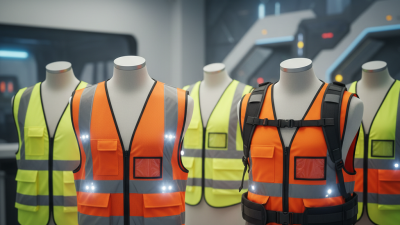
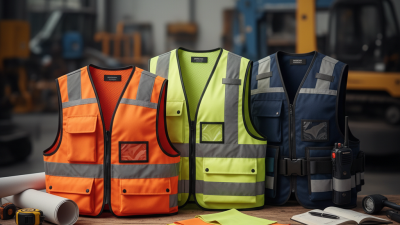
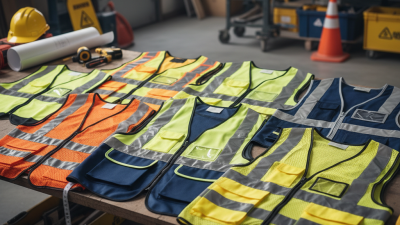
When choosing a reflective vest, understanding the types available is crucial. There are multiple designs tailored for specific activities. For instance, vests made for road construction workers usually feature high-visibility colors, such as fluorescent yellow or orange. They often include additional pockets for tools and personal items. This practical design allows workers to stay safe while performing essential tasks.
Event personnel might opt for lighter vests. These may rely on retroreflective strips to ensure visibility in crowded settings. Their breathable fabric is ideal for long hours, ensuring maximum comfort. However, some users find these less durable. They may need frequent replacement, impacting long-term costs.
Emergency responders benefit from specialized vests that allow quick identification. These often have reflective logos and patches. While effective, they sometimes fall short in color contrast during low-light situations. Users should test these aspects in real scenarios to ensure performance meets their safety needs. In many cases, examining personal experiences can lead to better choices in reflective wear.
How to Determine the Right Size and Fit for Comfort
When selecting a reflective vest, proper size and fit are crucial for comfort and safety. A poorly fitting vest can hinder mobility and reduce effectiveness. According to a report by the National Safety Council, 30% of workers report discomfort when their personal protective equipment (PPE) is not properly fitted. This discomfort can lead to distractions that might compromise safety.
To determine your size, take accurate measurements of your chest and waist. Many manufacturers provide size charts, which can guide your selection. Choose a vest with adjustable features like side straps to ensure a snug fit. Remember, a loose vest may not reflect light effectively, while a tight one can restrict movement.
Tips: Always try on multiple sizes and styles. Ensure the vest allows for layering, especially if you plan to wear it over other clothing. A good vest should feel secure but not constricting. It's essential to evaluate how the vest performs in different conditions. Test for breathability and ease of put-on, aspects often overlooked but vital for long-term use.
Maintenance Tips for Long-lasting Reflective Vests
When maintaining reflective vests, proper care extends their lifespan significantly. Studies show that reflective gear can lose effectiveness over time due to dirt and wear. Regular cleaning is crucial. Use mild soap and water, avoiding harsh chemicals. This preserves their visibility and integrity.
Inspect your vests frequently. Look for frayed edges or faded sections. According to the American National Standards Institute (ANSI), vests should maintain a certain level of reflectivity. If your vest appears dull, it may no longer meet safety standards. Replace damaged articles promptly to ensure optimal safety.
**Tip:** Store vests in a cool, dry place away from direct sunlight. Excess heat can degrade the reflective materials. Regular checks can prevent safety hazards. Remember, your safety gear is only effective when it is in good condition. Prioritize these maintenance practices to ensure your reflective vest provides maximum protection.
Reflective Vest Safety Features Comparison
This chart illustrates a comparison of essential safety features for reflective vests, rated on a scale from 1 to 10. Important factors include visibility level, breathability, durability, comfort, and cost, which can help consumers make informed choices for their safety needs.