10 Essential Tips for Choosing the Right Safety Vest?
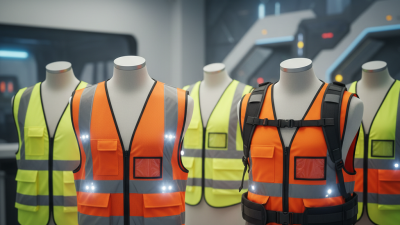
Choosing the right safety vest is crucial for ensuring visibility and protection in various hazardous environments. A safety vest provides essential safety features such as high visibility, reflectivity, and comfort. Various industries, from construction to event management, utilize these vests to safeguard workers effectively.
When selecting a safety vest, attention to detail is vital. There are different types, including basic vests and those with additional pockets. Each option serves specific needs. Understanding these nuances can significantly impact safety and comfort. Many professionals overlook the importance of fitting. An ill-fitting safety vest can hinder performance and compromise protection.
Moreover, the materials used in the safety vest play a critical role. Some fabrics offer breathability, while others prioritize durability or water resistance. Balancing these attributes according to your work environment is key. Reflect on the conditions you'll face. Doing so ensures the safety vest you choose truly meets your demands. Recognizing these factors can transform how effectively you use safety gear. Choosing wisely makes a difference.
Understanding the Importance of Safety Vests in Various Work Environments
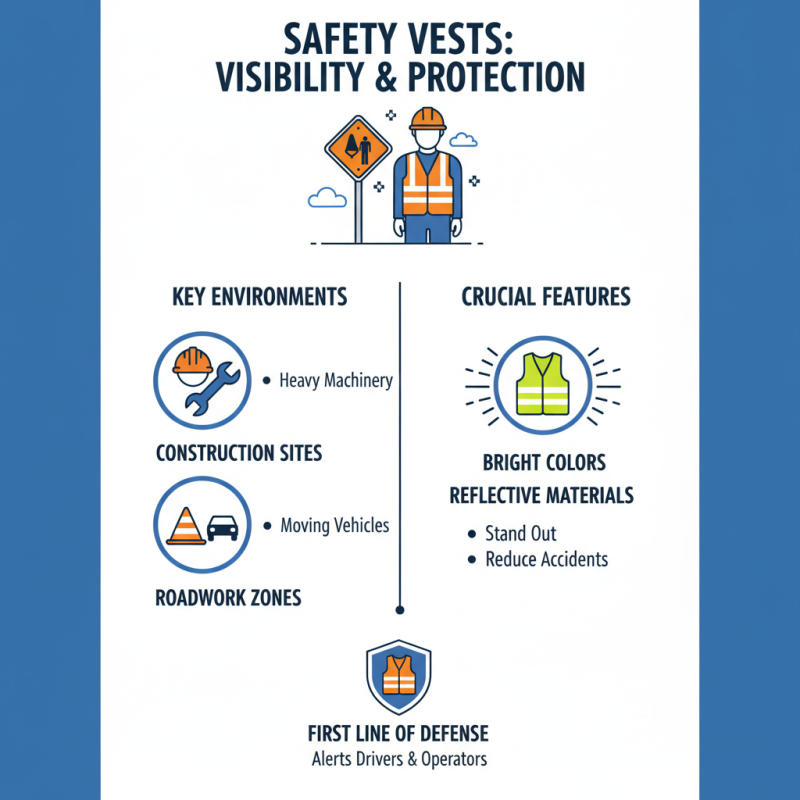
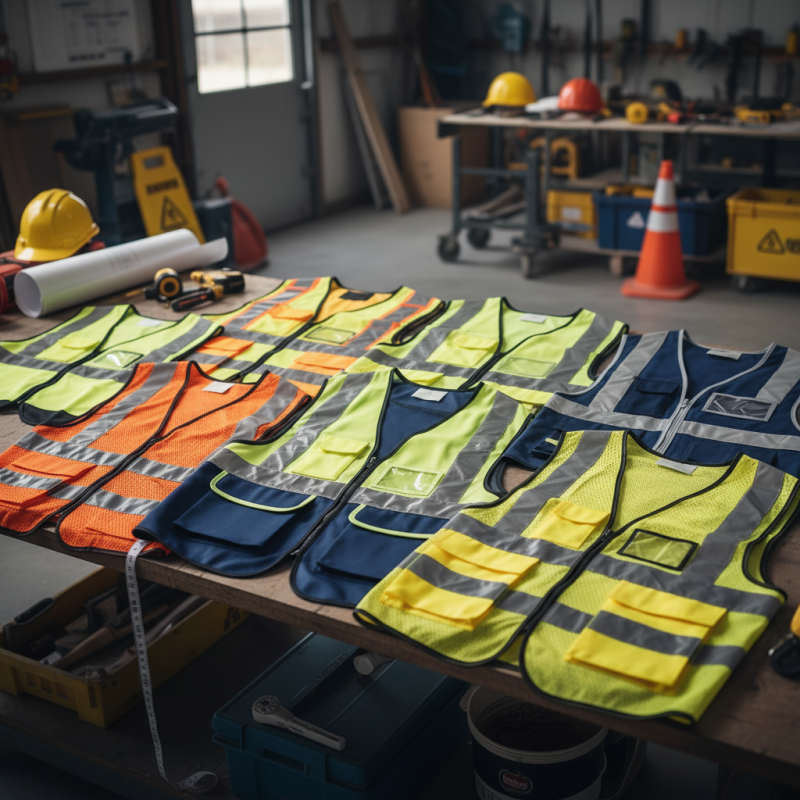
Safety vests play a crucial role in various work environments, ensuring workers are visible and protected. In construction sites or roadwork zones, bright colors and reflective materials are essential. These features help workers stand out against machinery and moving vehicles, reducing the risk of accidents. A well-designed safety vest acts as a first line of defense, catching the attention of drivers and equipment operators.
Different work scenarios may require specific safety vests. For example, outdoor assignments might demand waterproof materials. Consider the weather and environment when selecting a vest. Reflecting on comfort is also important. A vest that’s too tight can hinder movement. This can lead to safety risks and decreased productivity. It’s vital to choose a vest that balances safety features with practicality.
Training and awareness about the importance of safety vests are often overlooked. Many employees may underestimate the risks associated with their jobs. This lack of awareness can lead to dangerous situations. Ensuring all workers understand the significance of proper safety gear can enhance overall workplace safety. Regular training sessions can reinforce these critical points while keeping employees engaged.
Identifying the Different Types of Safety Vests Available on the Market
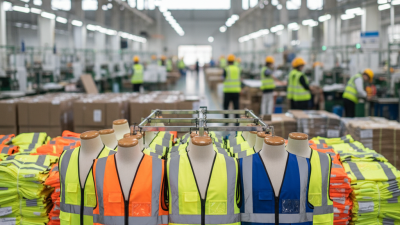
When choosing the right safety vest, understanding the different types available is crucial. There are primarily four types: Class 1, Class 2, Class 3, and Enhanced Visibility vests. Class 1 vests are designed for areas with low traffic. They are suitable for parking lots and warehouses. In contrast, Class 2 vests offer higher visibility for workers near moving vehicles. They are commonly used in road construction zones. Class 3 vests provide maximum visibility and are ideal for high-speed traffic environments.
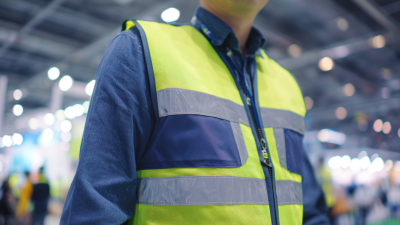
Consider the level of visibility you need. Many studies suggest that high-visibility vests reduce accident rates by up to 25% in certain conditions. This underscores the importance of proper selection. Size and fit are just as significant. An ill-fitting vest can hinder movement and safety. Ensure that the vest is adjustable and comfortable for extended wear. Reflective strips are another essential feature. They enhance visibility in low-light situations, making them critical for night work.
When evaluating safety vests, always check for compliance with safety standards. The ANSI (American National Standards Institute) sets specific requirements that vests must meet. Also, remember that color matters. Bright colors, such as fluorescent yellow or orange, are often more visible. Think about your work environment when choosing a color. These factors can influence overall safety on the job.
10 Essential Tips for Choosing the Right Safety Vest
| Tip No. |
Tip Description |
Type of Vest |
Best Use Cases |
| 1 |
Choose high visibility colors such as neon yellow or orange. |
Class 2 Vest |
Road work, construction zones. |
| 2 |
Ensure reflective strips are included for nighttime visibility. |
Class 3 Vest |
Traffic control, emergency responders. |
| 3 |
Select the appropriate size for comfort and fit. |
General Vest |
Warehouse, utility work. |
| 4 |
Consider vests with pockets for convenience. |
Utility Vest |
Outdoor work, job sites. |
| 5 |
Look for breathable materials for comfort. |
Cooling Vest |
Hot weather conditions. |
| 6 |
Assess weather resistance based on working conditions. |
Waterproof Vest |
Rainy conditions, outdoor work. |
| 7 |
Test adjustable features for a customized fit. |
Adjustable Vest |
Various jobs requiring movement. |
| 8 |
Check for compliance with safety standards. |
Certified Vest |
All work settings requiring safety vests. |
| 9 |
Determine if a lightweight vest is necessary for your environment. |
Lightweight Vest |
Extended wear in hot conditions. |
| 10 |
Review user feedback and durability ratings. |
Durable Vest |
Heavy-duty environments. |
Evaluating the Right Level of Visibility Required for Your Tasks
When selecting a safety vest, visibility is paramount. Different tasks require different levels of visibility. Jobs in construction sites generally need high visibility. In contrast, road work might need even more reflective materials for optimal safety.
Evaluate the specific conditions you'll work in. Assess factors such as lighting, distance from traffic, and the potential for accidents.
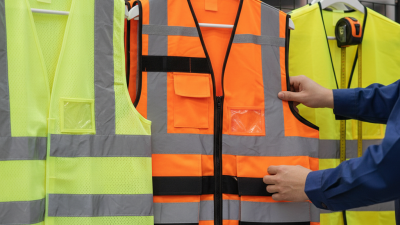
Consider how many layers of visibility you need. The basic yellow or orange vests may suffice for some tasks. However, in low-light conditions, or near heavy machinery, opt for vests with reflective strips. This increases visibility significantly and meets safety standards.
Choosing the right vest may also involve understanding your work environment. If you're in a bustling area, go for vests that offer bright colors and ample reflective patches. Yet, be mindful of comfort too. A vest that's too bulky can limit movement, affecting your performance. Evaluate the right balance between visibility and comfort for your specific tasks.
Choosing Safety Vests Based on Comfort and Fit for Extended Wear
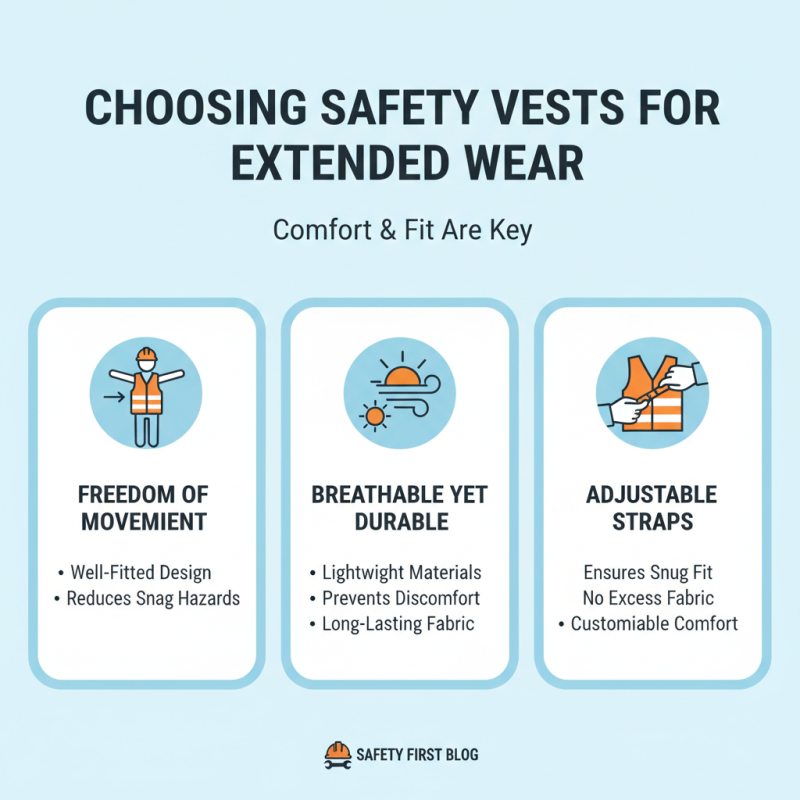
When selecting a safety vest, comfort is key. A well-fitted vest allows for freedom of movement. Consider the material; it should be breathable yet durable. Heavy fabrics can cause discomfort during long hours. Look for vests with adjustable straps. They ensure a snug fit, reducing excess fabric that can snag.
Think about the design as well. Features like pockets can add functionality. However, pockets can also add bulk. Assess whether they suit your needs. extended wear can lead to irritation if the vest rubs against your skin. Always try on different sizes and styles. What feels fine in a store may not hold up at the job site.
Reflect on how the vest fits with your work attire. If it clashes or feels too tight, it’s not worth it. Sometimes personal preferences can lead to overlooking comfort. Choose wisely, and prioritize what’s best for your long-term comfort and safety.
Considering Additional Features for Enhanced Functionality and Safety
When selecting a safety vest, it's important to consider additional features that enhance both functionality and safety. Reflective strips ensure visibility, especially in low-light situations. They should cover the vest adequately for maximum effect. Bright colors, like neon yellow or orange, significantly improve recognition. They command attention, making it easier for others to spot you.
Another vital feature is pockets. Some vests come with ample storage options, allowing you to carry necessary tools or personal items. This feature can save time and keep your hands free. Adjustable straps provide a better fit, contributing to comfort during long hours of wear. A well-fitted vest will not hinder movement or cause distraction.
Lastly, consider ventilation options. Some vests include mesh panels for breathability. This can make a substantial difference in hot or humid environments. However, even with all these features, it's important to regularly evaluate your equipment. Wear and tear can compromise safety, demanding a thoughtful approach to maintenance. Reflect on how often you check your gear and upgrade when necessary. Safety isn't just about choice; it's about ongoing vigilance.
10 Essential Tips for Choosing the Right Safety Vest