Why Choose Hi Vis Vest for Your Safety Needs?
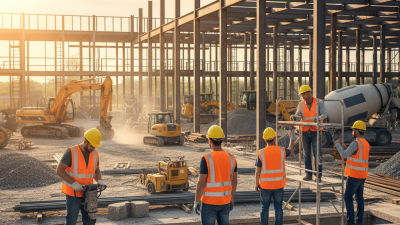
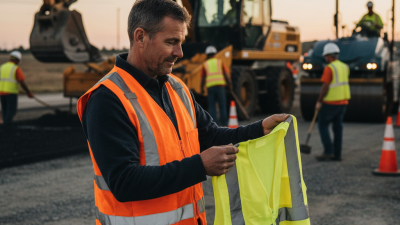
When it comes to safety gear, the Hi Vis Vest stands out as a crucial piece of equipment. Its bright colors, often fluorescent yellow or orange, ensure visibility in low-light or hazardous conditions. This visibility is essential for workers in construction, traffic management, and other high-risk environments. Wearing a Hi Vis Vest can significantly reduce the risk of accidents, saving lives and preventing injuries.
Experience shows that accidents occur more often when individuals are not easily seen. The Hi Vis Vest addresses this issue by making the wearer noticeable from a distance. It is not just a piece of clothing; it is a safety necessity. While some may overlook its importance, the consequences of doing so can be severe. A simple vest can provide peace of mind at work, knowing that safety is prioritized.
In some cases, individuals may question the effectiveness of a Hi Vis Vest. It’s true that vests alone do not guarantee safety; they must be combined with other precautions. However, the value of visibility cannot be underestimated. Reflecting on your safety choices can lead to better practices and a safer working environment. Each decision impacts overall safety, and a Hi Vis Vest is a step in the right direction.
Importance of Visibility in High-Risk Work Environments
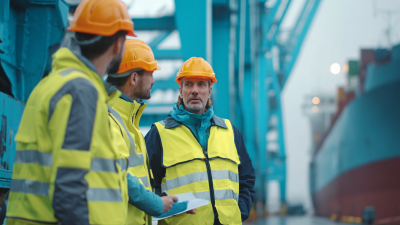
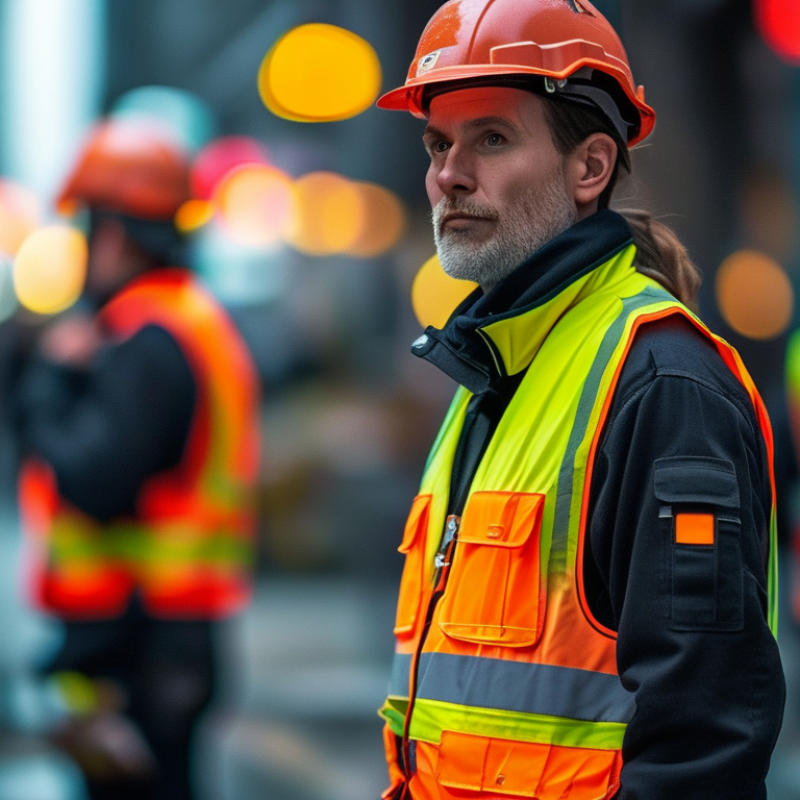
In high-risk work environments, visibility is crucial. Workers on construction sites, roadways, and warehouses face various hazards. A Hi Vis vest can significantly enhance safety by making workers more visible to equipment operators and passing vehicles. When visibility is compromised, accidental injuries can increase. Wearing bright colors and reflective materials helps prevent such accidents.
Tips for choosing the right vest include ensuring a proper fit. An oversized vest can snag on equipment, creating potential hazards. Consider the conditions you'll be working in. For instance, low-light environments require vests with stronger reflective strips. Additionally, layers of dirt can reduce visibility; therefore, maintaining a clean vest is essential.
Being visible does not solely depend on attire. Awareness of surroundings plays a key role. Workers must remain vigilant and attentive to their environment. Regular safety meetings can reinforce these habits. While vests enhance visibility, personal responsibility in safety cannot be overlooked. Reflecting on one’s actions is vital in creating a safer workspace.
Statistics on Workplace Accidents and Visibility Enhancements
Visibility plays a crucial role in workplace safety. Studies reveal that high visibility clothing can significantly reduce accident rates. According to a report, workplaces that implemented visibility enhancements saw a decrease in accidents by up to 30%. This statistic underscores the importance of being seen, especially in high-risk environments.
Many workers underestimate the risk of low visibility. In construction zones or road works, lack of visibility can lead to severe injuries. Workers wearing high-visibility gear are more likely to be noticed by drivers or machinery operators. This simple measure can be the difference between safety and an accident.
Beyond statistics, individual experiences highlight the value of being seen. Numerous workers report feeling more secure when wearing high visibility vests. Reflective materials improve awareness, especially in dim lighting. Yet, challenges remain. Some workers may resist using safety gear due to comfort issues or aesthetics. Finding the right balance between safety and comfort requires ongoing dialogue.
Why Choose Hi Vis Vest for Your Safety Needs? - Statistics on Workplace Accidents and Visibility Enhancements
| Category |
Statistics |
Impact of Hi Vis Vests |
| Total Workplace Accidents (2022) |
4.6 million |
Enhanced visibility can reduce incidents by up to 30%. |
| Accidents in Low Visibility Conditions |
1.2 million |
Wearing hi vis gear can enhance worker visibility by 75%. |
| Fatalities Due to Visibility Issues |
800 |
Hi vis vests can decrease fatalities by 25% in at-risk environments. |
| OSHA Recommendations |
Standards for Visibility |
Hi vis vests are compliant with OSHA regulations for high-risk jobs. |
Regulatory Standards for High Visibility Apparel in Various Industries
High visibility (Hi Vis) apparel is crucial across various industries. Regulatory standards dictate the use of these garments to enhance safety. For example, the American National Standards Institute (ANSI) sets strict guidelines for high visibility clothing. These standards cover colors, visibility distance, and design. Compliance with ANSI standards can significantly reduce accident rates.
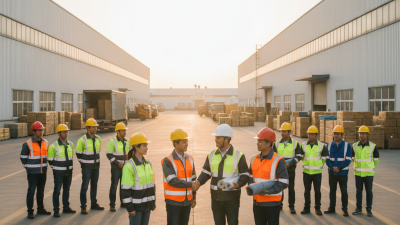
Different sectors have unique requirements. The construction industry often prioritizes Class 2 or Class 3 vests due to their high visibility in low-light conditions. Studies indicate that workers are 33% less likely to be involved in accidents when wearing compliant Hi Vis gear. In roadwork zones, visibility can mean the difference between life and death. Even the emergency services require specific reflective designs to ensure they are seen.
Challenges remain in ensuring workers consistently wear the appropriate gear. Non-compliance can stem from discomfort or a perceived lack of necessity. Companies face difficulties in balancing comfort and safety. It's essential to review policies and ensure training includes proper use of Hi Vis apparel. Regular assessments can help identify gaps in safety awareness.
Materials and Design Features in Hi Vis Vests for Maximum Safety
Hi Vis vests play a crucial role in ensuring safety in various working environments. These vests are often made from high-visibility materials like fluorescent polyester. This choice enhances visibility in low-light conditions. Studies indicate that wearing brightly colored vests can reduce accidents by over 40%. This statistic highlights the importance of opting for the right materials in safety gear.
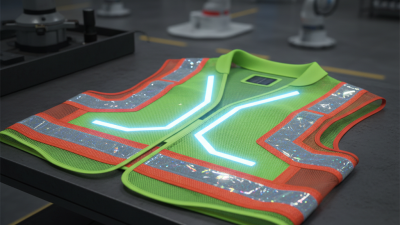
The design of Hi Vis vests also greatly impacts their effectiveness. Many vests feature reflective strips that catch light from vehicles or machinery. This additional visibility can be lifesaving, especially in busy industrial areas. A well-structured vest fits securely without limiting movement, which is vital for workers in dynamic environments. It’s essential to check the vest's design and ensure it meets safety standards.
Tip: Always choose a vest that has adjustable straps. This ensures a snug fit, minimizing risks of snagging.
The combination of materials and thoughtful design creates vests that seriously enhance worker safety. However, not all Hi Vis vests are created equal. Some may lack adequate reflectiveness or are made from inferior materials. Regularly reviewing and updating safety gear is a wise approach to maintaining workplace safety.
Tip: Periodically inspect your Hi Vis vest for wear and tear. Your safety gear should be replaced if it shows signs of degradation.
Choosing the Right Hi Vis Vest: Fit, Function, and Compliance Considerations
When selecting a hi vis vest, fit is a crucial factor. A vest that is too tight restricts movement, while one that is too loose can be a safety hazard. Aim for a snug fit that allows for ease of motion. Check the sizing guide before purchasing. Remember, comfort is key for long hours on the job.
Functionality is another important aspect. Vests should have pockets for tools and gear. Look for features like reflective strips for visibility. Depending on your work environment, you might need a vest with additional protective elements. This ensures you remain visible in low-light conditions.
Tip: Always try on a vest before buying to assess fit and comfort. You may need to adjust based on your layering preferences for cold weather. Compliance with safety regulations is non-negotiable. Check that your vest meets local standards for visibility and durability. Regularly inspect vests for wear and tear. It’s vital that your safety gear remains effective throughout its use.