What is the Purpose of Hi Vis Vests in Safety Gear?
Hi Vis Vests are essential in ensuring safety across various industries. John Smith, a safety gear expert, has noted, "Visibility saves lives." This statement emphasizes the vital role that Hi Vis Vests play in protecting workers.
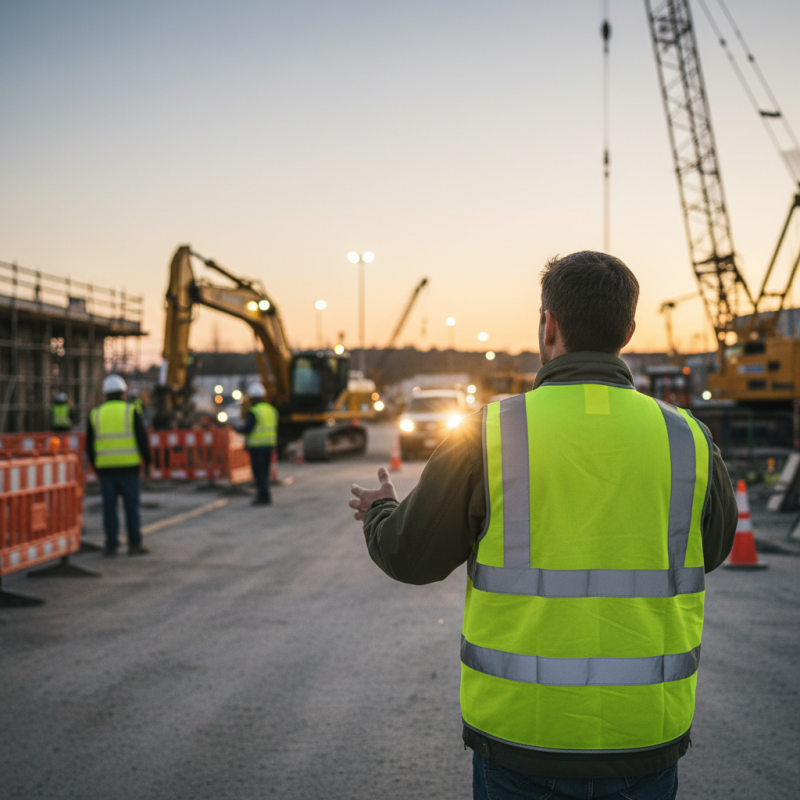
These bright, highly reflective garments are designed to be seen from a distance. They stand out in environments where visibility is poor, like construction sites and roadways. However, it is crucial to remember that these vests alone do not guarantee safety. They must be part of a larger safety strategy.
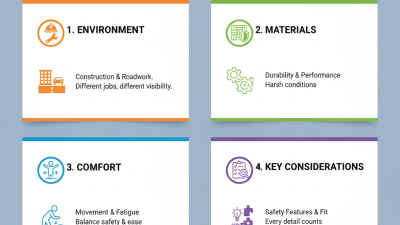
Despite their importance, not all Hi Vis Vests are created equal. Workers may overlook proper sizing or fit, reducing their effectiveness. Reflect on the materials used and their wear over time. Even the best vest can lose its visibility if it isn’t maintained properly. Thus, understanding their purpose is key to maximizing safety in any work environment.
Understanding the Importance of Hi Vis Vests in Safety Gear
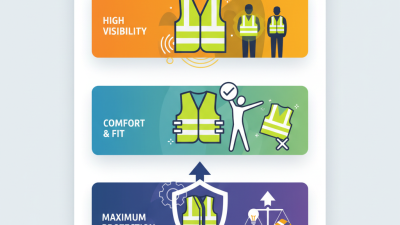
Hi Vis vests play a critical role in safety gear across various industries. Their primary purpose is to enhance visibility. Bright colors and reflective materials make workers stand out in low-light situations. This visibility reduces the risk of accidents. It's vital for those who work near moving vehicles or machinery.
Wearing a Hi Vis vest is not just about being seen; it’s about being safe. Proper fit is crucial. A vest that is too loose may get caught on equipment. A vest that is too tight can restrict movement. Assess your needs carefully. Also, ensure the vest meets safety standards.
Tips: Always check for wear and tear. A damaged vest loses its effectiveness. Make it a habit to inspect your gear regularly. Encourage colleagues to do the same. Consider weather conditions. Some vests offer additional features, like breathability or water resistance. Choosing the right vest can make a difference in safety and comfort.
Key Features of Hi Vis Vests for Enhanced Visibility
Hi vis vests are essential for safety in various workplaces. These vests enhance visibility, especially in low-light conditions. According to the Bureau of Labor Statistics, over 20,000 workers are injured each year due to visibility issues. A bright vest can make a significant difference in preventing these accidents.
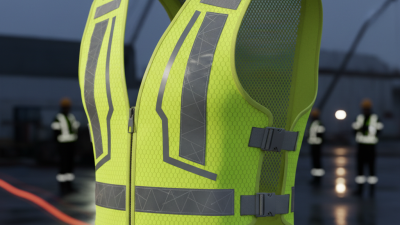
Key features of hi vis vests include bright colors and reflective strips. The standard colors are neon yellow, orange, and green. Reflective strips typically cover the shoulders and abdomen. This combination ensures maximum visibility. Studies show that wearing hi vis apparel can reduce accident rates by up to 60%. Yet, not all hi vis vests are created equal. Some designs lack sufficient coverage, which could leave critical areas of the body unprotected.
Comfort is another factor that impacts usage. A vest should allow for movement without restriction. Unfortunately, many workers still opt to wear ill-fitting or non-compliant vests due to discomfort. They might feel bulky or too warm, leading to non-compliance in remote jobs. Especially on construction sites, adherence to safety gear is vital. An uncomfortable vest may cause a worker to take it off, negating its benefits. Regular reviews of vest designs may help address these issues effectively.
Regulations and Standards Governing Hi Vis Vest Use
Hi Vis vests play a crucial role in many industries. They enhance visibility for workers in various environments. This visibility is particularly important near traffic or heavy machinery. Regulations often dictate the use of these vests in construction, roadwork, and warehousing.
Different countries have different standards. In the U.S., the ANSI/ISEA 107 standard applies. In Europe, EN 20471 is the guideline for high-visibility clothing. These standards specify colors, reflectivity, and design. Adhering to these regulations can greatly reduce accident rates.
Tips for choosing hi vis vests: Look for bright colors. Yellow and orange are often the best choices. Ensure the vest has sufficient reflectivity for nighttime use. Remember, not all work environments are the same. Choose a vest suited for your specific job to maximize safety. Sometimes, it may feel like overkill, but it's better to err on the side of caution.
Make sure the vest fits well. A loose vest can be just as dangerous. It might snag on equipment or obscure your movements. Reflect on your needs when selecting safety gear. Every detail matters in ensuring personal safety on the job.
Applications of Hi Vis Vests Across Various Industries
Hi vis vests play a crucial role in safety gear across various industries. They enhance visibility, ensuring that workers are seen, especially in low-light conditions. Construction sites, road work, and warehouses often feature these vests. Workers wear them to stay safe amid heavy machinery and moving vehicles.
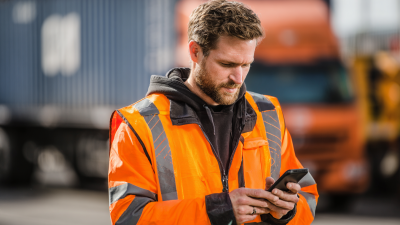
In the transportation industry, hi vis vests are essential. They help alert drivers to the presence of personnel near roads. This is especially true for those directing traffic or working on public transportation. Having a few bold colors can make a big difference. The visibility factor is not just for safety; it’s also about preventing accidents.
For those considering use, here are a few tips. Ensure the vest fits properly. A loose vest can be a hazard itself. Also, check the reflective strips. They should be bright and intact. Consider the environment too. A vest designed for high-risk areas might offer features like extra pockets. Reflecting on comfort is key. A vest that isn't comfortable will not be worn as often.
Best Practices for Wearing and Maintaining Hi Vis Vests
Hi Vis vests serve a crucial role in ensuring visibility and safety in various work environments. To maximize their effectiveness, it’s essential to adhere to best practices in wearing and maintaining these vests. The right fit is key; choose a size that allows easy movement while providing a snug feel. Regular inspection is necessary.
Look for rips, tears, or worn-out reflective strips. If damaged, replace the vest immediately.
When wearing Hi Vis vests, ensure they are clean and unobstructed. Dirt can reduce visibility. Wash them regularly based on care labels. Avoid using bleach or fabric softeners that can degrade the reflective materials. It's easy to forget about proper maintenance, but neglecting this can lead directly to safety hazards. Also, consider wearing the vests over non-reflective clothing to enhance overall visibility.
Some may assume that any bright color suffices. However, not all high-visibility materials are created equal. Understanding the difference between types of fabric and reflective elements can impact safety. Investing time in choosing and maintaining Hi Vis vests is a responsibility that should never be overlooked.