Ultimate Guide to Hi Vis Shirts Tips for Safety and Visibility
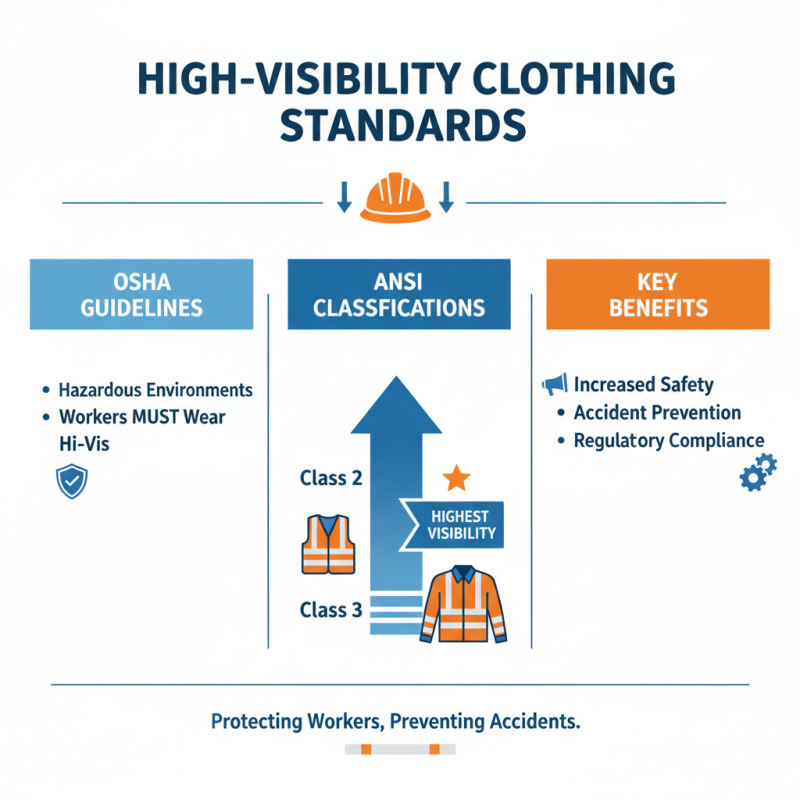
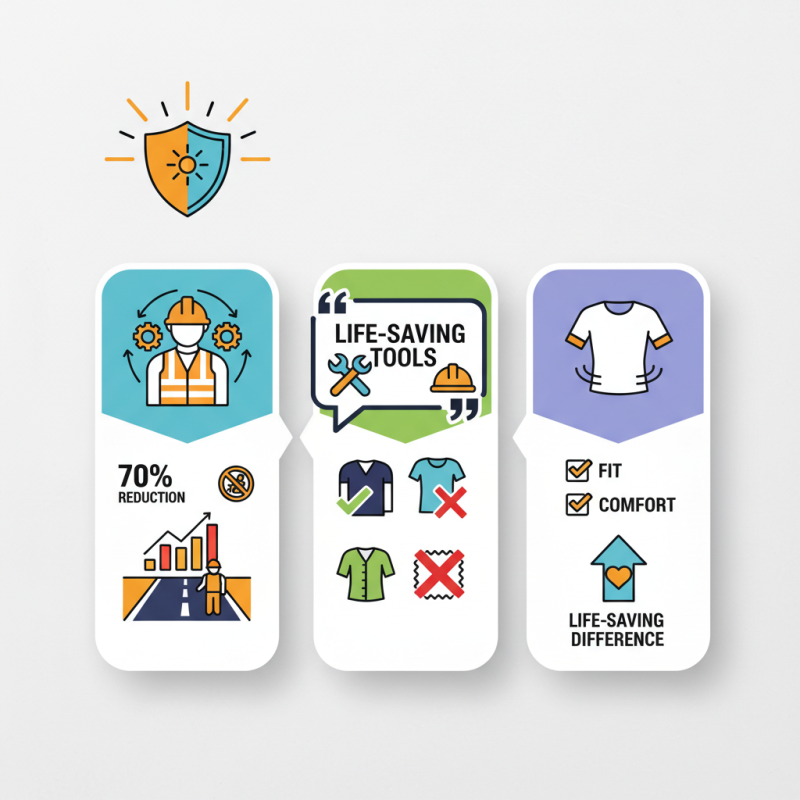
In the world of safety apparel, Hi Vis Shirts play a crucial role in ensuring visibility and protection. According to the Occupational Safety and Health Administration (OSHA), workers in high-risk environments are 70% less likely to experience accidents when wearing high-visibility clothing. This underscores the importance of Hi Vis Shirts in construction, roadwork, and other hazardous industries.
Expert John Smith, a leading figure in safety gear manufacturing, emphasizes, “Hi Vis Shirts are not just clothes; they are life-saving tools for workers.” His insight highlights the need for proper selection and usage of these items. Despite advances in fabric technology, not all Hi Vis Shirts offer the same level of protection. A poorly chosen shirt can fail to meet safety standards, leading to dangerous situations.
While many workers understand the need for visibility, some overlook the importance of fit and comfort. An uncomfortable Hi Vis Shirt can reduce wear-time, which negates its benefits. Workers must reflect on their choices and opt for well-fitting, high-quality shirts that ensure both safety and comfort. Attention to detail in selecting the right Hi Vis Shirts can indeed make a life-saving difference in the workplace.
Importance of High Visibility Shirts in Safety Protocols
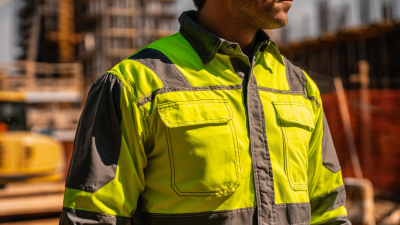
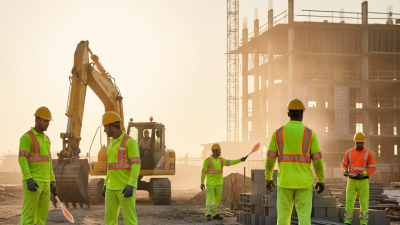
High visibility shirts play a crucial role in safety protocols. These shirts come in bright colors, making workers easily noticeable in various environments. Construction sites, road work, and warehouses benefit significantly from this increased visibility. When workers wear hi-vis shirts, they reduce the risk of accidents. Vehicles and machinery can spot them from a distance.
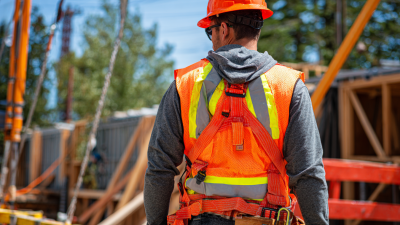
Despite their importance, not all high visibility shirts offer the same level of protection. Some may have less reflective material, making them less effective in low light. It’s essential to check for quality. Workers must ensure that their shirts meet safety standards. Consider the environment when choosing a shirt. Opt for long sleeves in colder areas or lighter materials during summer.
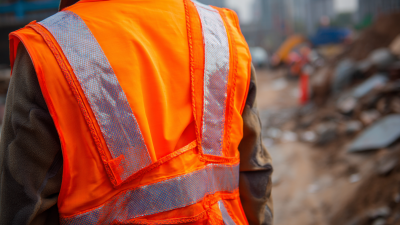
Awareness of proper use is often overlooked. A brightly colored shirt doesn't guarantee safety. Visibility depends on surrounding conditions too. Workers need to be mindful of their surroundings. They must combine their clothing with other safety measures. Reflective strips and hard hats can enhance safety further. It's a continuous learning process, adapting to new challenges to maintain a safe work environment.
Ultimate Guide to Hi Vis Shirts Tips for Safety and Visibility
| Feature |
Importance |
Common Materials |
Recommended Uses |
| High Visibility |
Enhances visibility in low light conditions |
Polyester, Cotton, Nylon |
Construction, Road Work, Emergency Services |
| Reflective Strips |
Provides additional visibility at night |
Retroreflective Tape, Sewn-In Reflective Material |
Traffic Control, Event Management |
| Breathability |
Ensures comfort in hot conditions |
Mesh, Lightweight Cotton |
Outdoor Work, Summer Exposure |
| Sizing Options |
Accommodates various body types for safety |
Standard Fits, Tall Sizes |
General Industry, Warehouse Work |
| Compliance Standards |
Meets safety regulations |
ANSI/ISEA 107 |
Worksites, Hazardous Locations |
Types of Hi Vis Shirts: Materials and Styles Explained
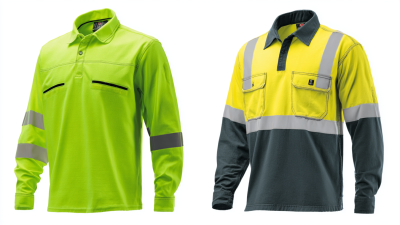
Hi vis shirts are essential for ensuring safety in various environments. There are different types available, catering to specific needs. When selecting a hi vis shirt, consider the materials used. Common options include polyester and cotton blends. Polyester is durable and retains color well, while cotton is breathable but may fade quicker.
Styles vary widely, impacting comfort and visibility. Some shirts feature reflective strips for added safety. Others come in various fits, from loose to snug. Choose based on the job and weather conditions. A well-fitted shirt can enhance visibility while allowing freedom of movement.
It's also important to think about the color. Bright shades like yellow and orange are most common, as they stand out against many backgrounds. However, the effectiveness of a shirt can diminish if it’s worn too long or if it gets dirty. Regular checks and maintenance are crucial. Reflective materials can lose efficacy over time, which requires reflecting on the shirt’s performance regularly.
Choosing the Right Fit: Size and Comfort Considerations
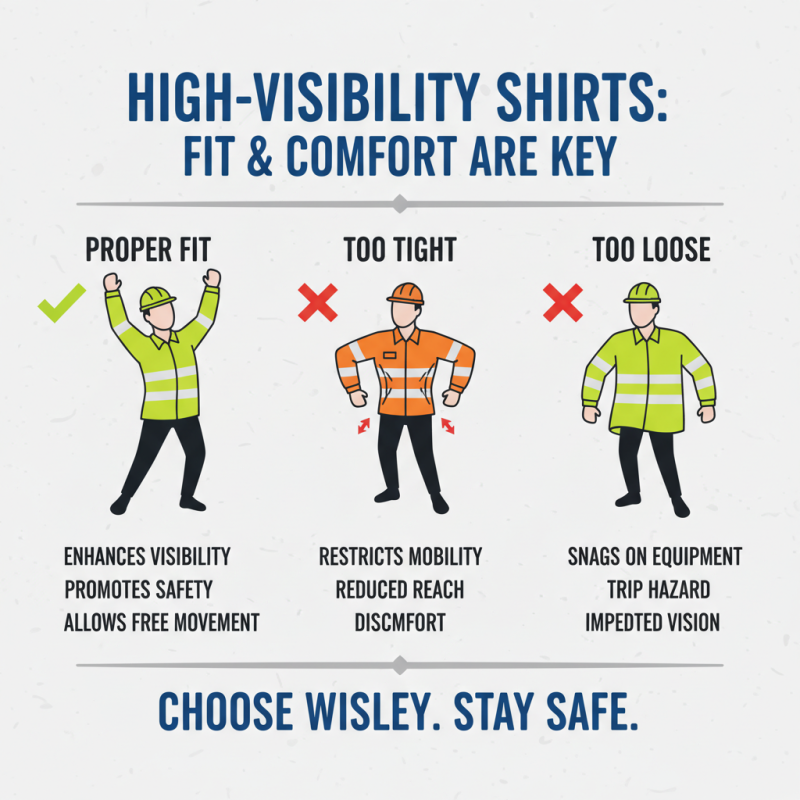
When selecting hi vis shirts, fit and comfort are key. A proper fit enhances visibility and promotes safety. Choose a size that allows free movement. If the shirt is too tight, it restricts mobility. Overly loose shirts can snag on equipment. Both scenarios can pose serious risks.
Consider the fabric as well. Cotton blends are comfortable, but may not always provide the best visibility. Synthetic materials often offer brighter colors and reflectivity. Think about the environment where you'll wear the shirt. Is it hot and humid? Opt for breathable options. Cold or windy conditions might require layering for warmth.
Don't forget about personal comfort. A shirt that feels good can increase confidence. Some people prefer a relaxed fit, while others may like a snugger design. Test different styles to find what suits you best. After all, visibility means nothing if you're uncomfortable.
Care and Maintenance Tips for Longevity of Hi Vis Shirts
Proper care and maintenance of high-visibility shirts are crucial for their longevity. Washing them correctly can enhance their reflective properties. Use cold water and a gentle detergent to prevent fabric damage. High heat from dryers can shrink the material. Instead, hang them to dry to maintain their fit and brightness.
Wear and tear is inevitable. Inspect your shirts regularly for signs of fading or damage. If you notice any obstructions in visibility, consider repairs or replacements. Maintaining the reflective surfaces is essential. Avoid using fabric softeners, as they can reduce reflectivity. Instead, focus on gentle cleaning methods to prolong their lifespan.
Storing high-visibility shirts properly can also make a difference. Keep them in a cool, dry place away from direct sunlight. This can prevent discoloration. Fold them neatly to avoid creases, which can wear out the fabric over time. Remember, investing time in care can save you money in replacements, and ensure you stay visible and safe.