How to Choose the Best Hi Vis Jacket for Safety?
Choosing the right Jacket Hi Vis is crucial for ensuring safety in various environments. A high-visibility jacket enhances visibility, especially in low-light situations. When selecting one, consider factors like fabric, fit, and reflective features.
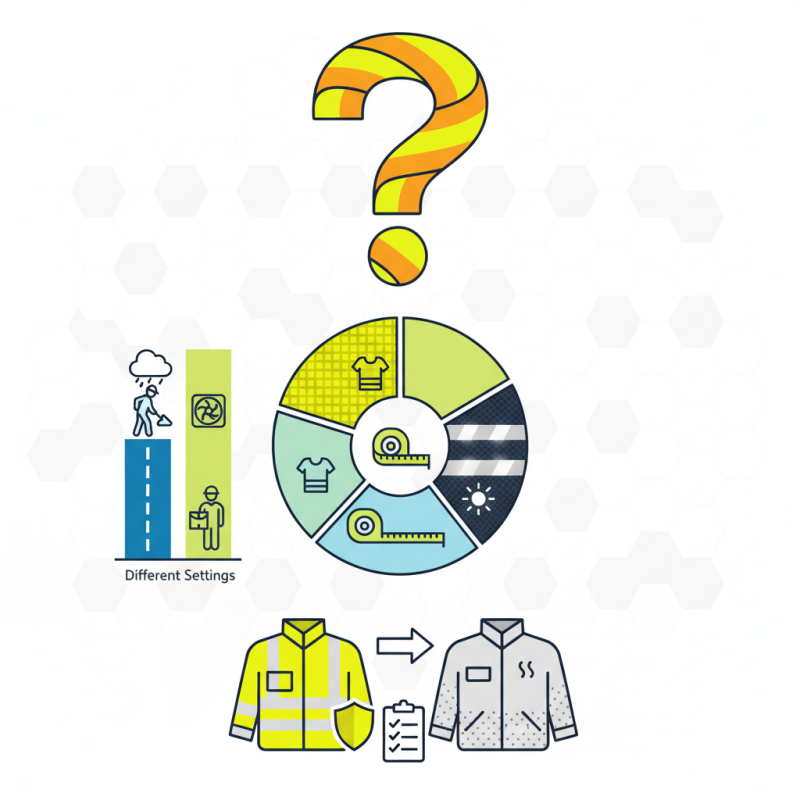
Different settings demand different requirements. For example, road crews need jackets that withstand harsh weather. On the other hand, warehouse workers may prioritize breathability. The right jacket can make a significant difference in safety.
Yet, finding the ideal jacket can be challenging. Sizes and styles vary, leading to potential discomfort. Look for jackets that provide both safety and comfort. Reflection on your specific needs will guide you. Don’t rush this decision; a well-chosen Jacket Hi Vis is worth the effort.
Understanding Hi Vis Jackets: Key Features and Benefits
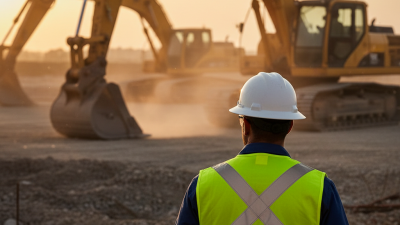
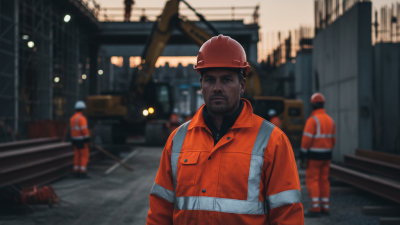
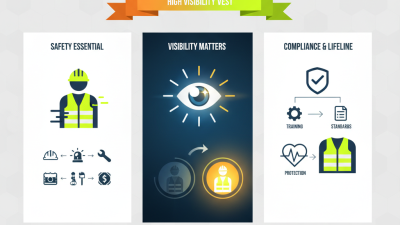
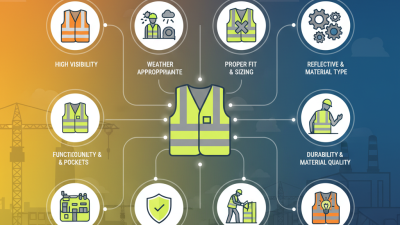
When selecting a hi vis jacket, understanding its key features is crucial. Bright colors like fluorescent yellow, orange, and green enhance visibility in various conditions. Reflective strips are often added to increase safety, especially in low light. These features make it easier for others to see you, reducing the chances of accidents.
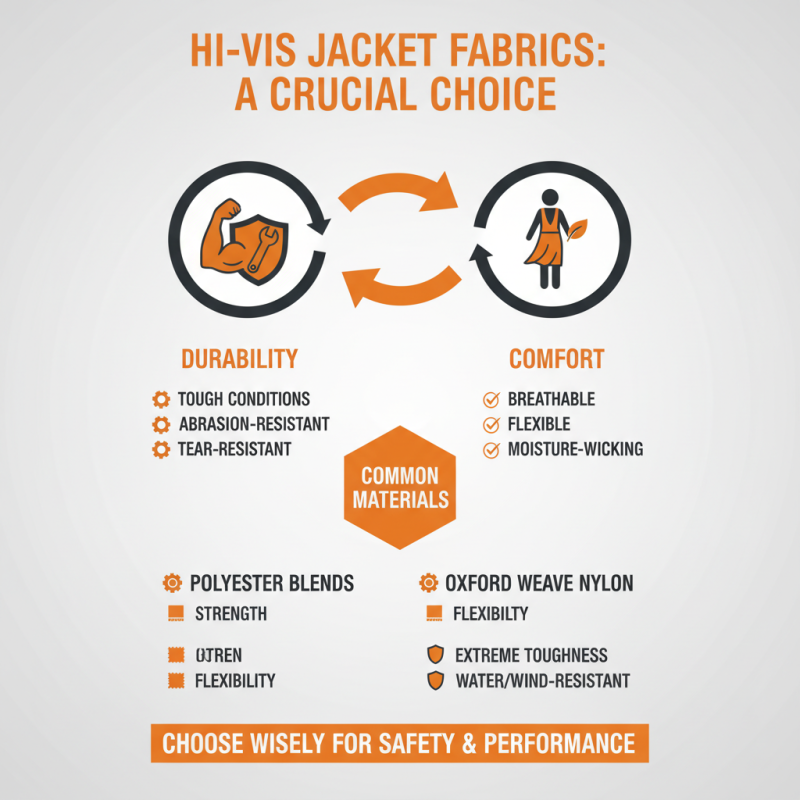
The fit of a hi vis jacket matters too. It should allow for movement but not be overly loose. Consider pockets and ventilation, as they can improve functionality and comfort. Some jackets even have adjustable features for a better fit. While many jackets provide adequate protection, the fabric quality can vary. Breathable materials can prevent overheating, especially in warm weather.
It's also important to reflect on how often you use the jacket. For someone who works outdoors regularly, investing in a durable option makes sense. However, a less robust jacket may suffice for occasional use. Remember, not all jackets meet the same safety standards. Careful research is needed to ensure you choose a jacket that protects while also being comfortable for your specific needs.
Hi Vis Jacket Key Features Comparison
This chart represents the importance ratings of various key features in Hi Vis jackets that are essential for safety. The ratings are scored from 1 to 10, where higher values indicate greater importance.
Identifying the Appropriate Hi Vis Color for Visibility
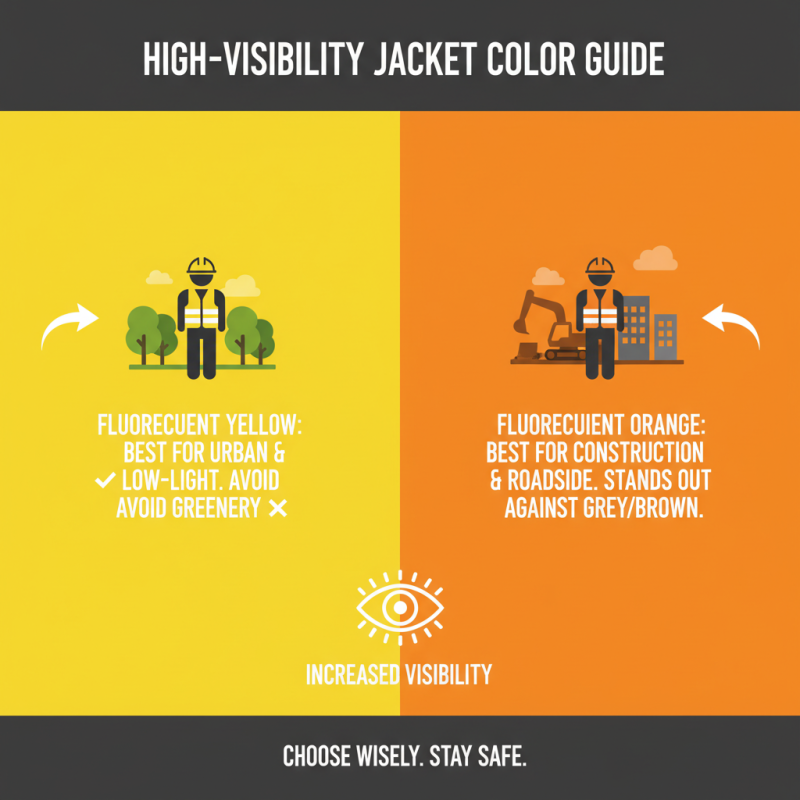
When choosing a hi vis jacket, color is key. High visibility colors, like fluorescent yellow and orange, stand out well. These colors draw attention, especially in low-light environments. Workers should consider their surroundings. For example, fluorescent yellow may blend in with greenery. In areas with lots of construction, orange might be a better option.
Not every color suits every job. The right color can vary greatly depending on the environment. A bright color in daylight might not work after sunset. Reflections from vehicles could wash out certain colors. It's crucial to test how the color looks in different lighting. Sometimes, a color that seems perfect indoors becomes confusing outdoors.
While brightness is important, the contrast should not be overlooked. Darker backgrounds can bury lighter colors. A combination of colors might offer the best visibility. However, mixing can make decisions tricky. Some may find it overwhelming. Finding the balance requires patience and thought. Visibility is not just about color; it’s about ensuring safety in the real world.
Selecting Proper Fit and Size for Maximum Safety
When selecting a hi vis jacket, fit and size are crucial for safety. Data from the National Safety Council emphasizes that poor-fitting clothing can reduce visibility. A jacket must allow freedom of movement while keeping the wearer visible. Ideally, it should fit snugly but not restrict motion. The right jacket helps in maintaining safety standards on the job.
Measurements play a key role. According to the Occupational Safety and Health Administration, workers should refer to manufacturer sizing charts. This can avoid loose fabric that might snag on equipment. In contrast, tight jackets can feel restrictive, impacting overall comfort and safety levels. Be mindful of layering too; it can affect the apparent size of the jacket you require.
Lastly, consider the jacket's features. Pockets, zippers, and reflective strips should not hinder fit. Evaluation reports often show that features which compromise fit may render the jacket less effective in emergency situations. Reflecting on the jacket's usability can make a substantial difference. A well-fitting hi vis jacket is not just a piece of clothing; it is a vital part of workplace safety.
Evaluating Additional Safety Features and Certifications
When selecting a hi vis jacket, safety features stand out. Look for reflective strips that enhance visibility. The positioning of these strips matters. They should be placed where maximum exposure occurs, like arms and chest. Check the fabric too; it should be durable yet breathable.
Certification is another critical factor. Jackets can have various safety standards. Finding a jacket with ANSI or EN certifications can ensure it meets safety requirements. However, not all certifications are equal. Some may not reflect real-world conditions, so research is essential.
Consider additional features like pockets and zippers. These can enhance functionality but may interfere with visibility if placed incorrectly. Always think about comfort. A heavy jacket can limit movement, which could become a safety issue. In the end, balancing features with genuine safety is key.